Stephan lived to write. Words and stories filled his head, drawn from his ceaseless reading, his studies of plants and relics, his beloved role-playing games and the people and other creatures in the world around him.
Fiction
Fiction
Stephan lived to write. Words and stories filled his head, drawn from his ceaseless reading, his studies of plants and relics, his beloved role-playing games and the people and other creatures in the world around him.

Stephan learned to read at a remarkably early age – almost at the same time as he learned to walk – and the words never stopped.
Influenced by literary idols such as Herman Melville, J.R.R. Tolkien, and Zilpha Keatley Snyder, he wrote on notebook pages, legal pads, postcards, graph paper, sheets of music, the backs of flyers and folders, hotel stationery, and on his computer. He often squeezed as much as possible onto his pages, filling them with sentences that stretched from edge to edge, starting at the very top and running to the bottom. Stories, poetry, vows, lyrics, incantations.
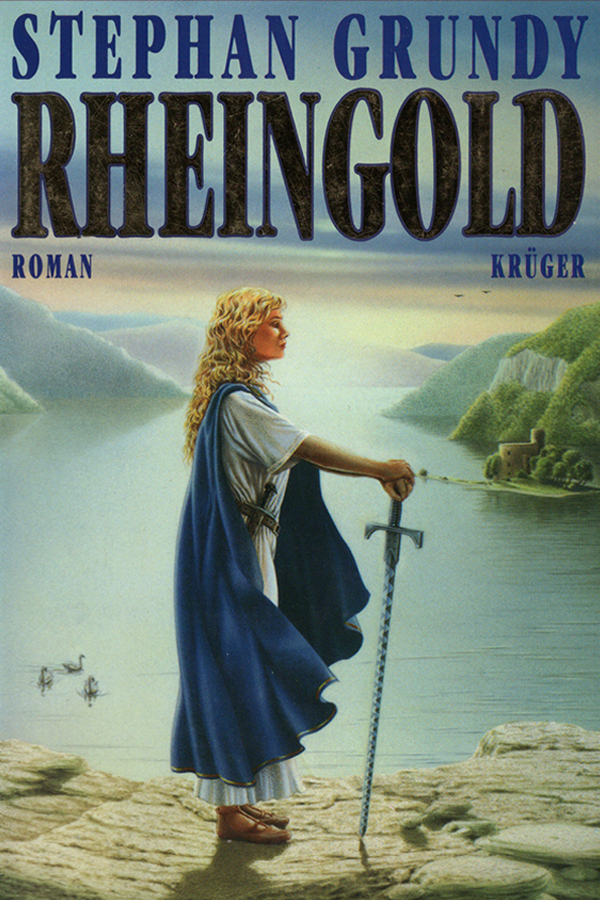
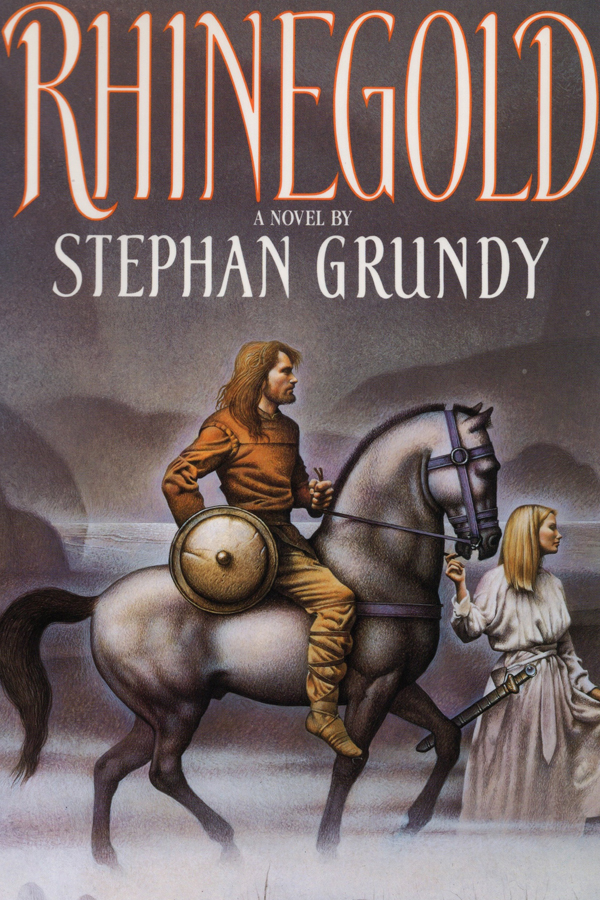
He began his first great work, Rhinegold, when he was in college, advised by mentor Stephen Flowers that the sweeping story of gods and humans clashing over cursed gold – a tale grounded in the ancient Volsung/Nibelung sagas and brought to operatic life in Richard Wagner’s Ring cycle – would make a better subject than Beowulf for a first novel.
Rhinegold won acclaim for the majesty of its language and for Stephan’s ability to create a full, rich world from fragments of poetry, artifacts, folklore and legends. It invoked the past, noted scholar Shaun Hughes explained in one appreciation, but also spoke to its present, dedicated to mentors and colleagues “who have taken up the shards of their heritage and worked to reforge the sword of the northern soul.” Published originally in German translation (1992), it became a bestseller in Germany and the English version saw significant success in the U.K. and U.S.
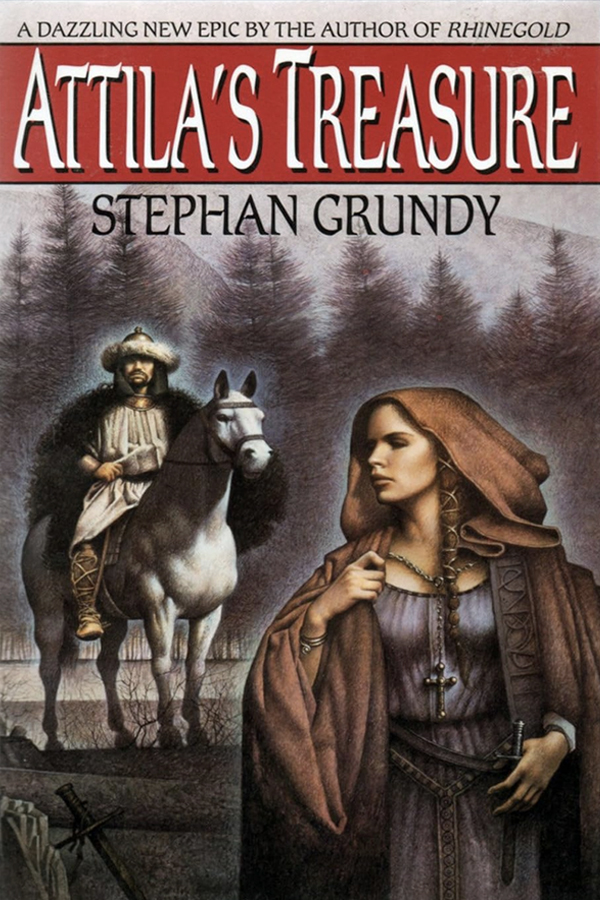
Stephan followed with two other works for major publishers, Attila’s Treasure (1996), and Gilgamesh (2000), published in German and English. He completed his Beowulf, which some considered his best work, in 2010. He began working with the Ontario-based Three Little Sisters publishers in the late 2010s, and they published several other novels, as well as reprinting many of his earlier works.
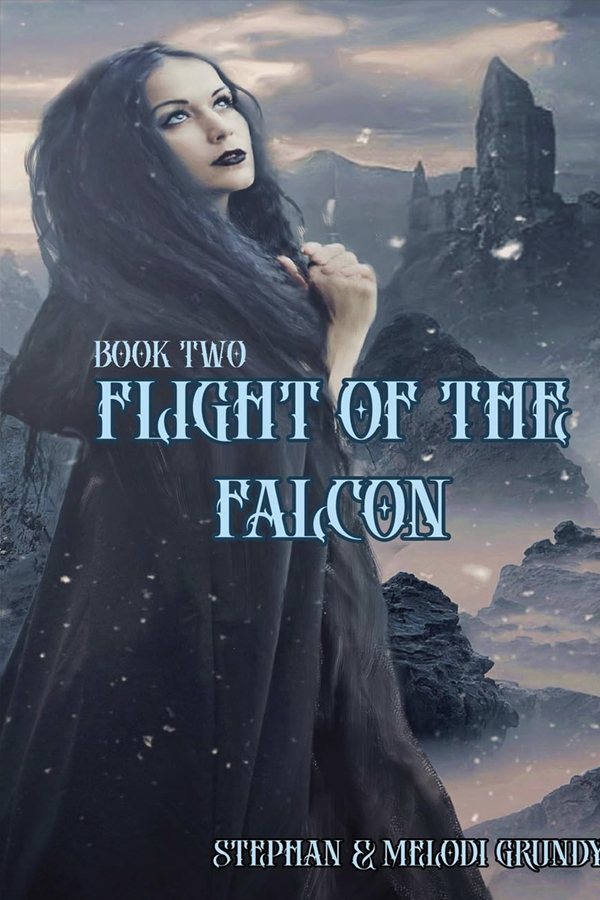
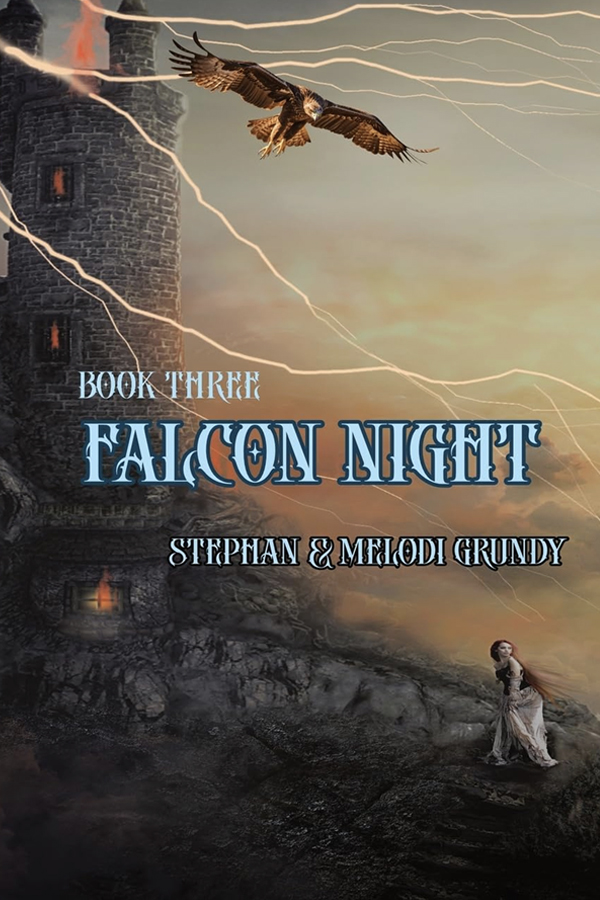
In the late 1990s and early 2000s, Stephan and his wife Melodi authored the well-received, “Falcon Dreams” trilogy, also published in both German and English, which traced the exploits of a fourteenth-century woman, Margerite von Hirschenberg, as she struggled to comprehend and combat the sorcery and demonic forces that swirled around her family.
An interviewer once asked Stephan what he found especially rewarding about writing.
“When I’ve just written something really good, and I read back over it, and just have to start chortling, ‘Ah hah, I got it, I got it, it’s perfect, this is amazing!’” he replied. “Especially when it’s something drawn from a painful experience in my personal past, when I realize that I have transfigured whatever horribleness it was and made it into something really worthwhile.”
Rune: Laguz