
Runes
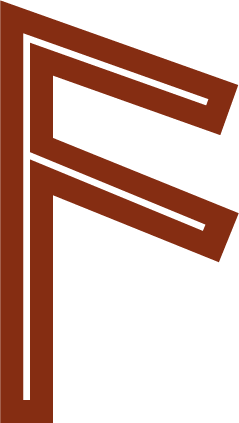
Ansuz (Home)
As the rune of air, an element which blends both manly and womanly qualities, ansuz shows Odhinn’s endless power of changing to fit the world around him and disguising himself as needed, as well as his hermaphroditic nature. It also shows his endless, restless wandering in search of new knowledge and his work of learning, integrating new wisdom, and teaching it in turn to those who can understand it.
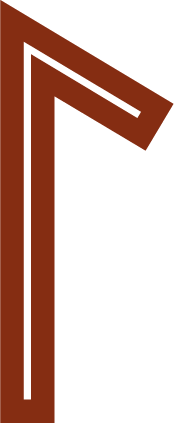
Laguz (Fiction)
The rune laguz is the rune of primal water, the rivers flowing from Hvergelmir which hold both yeast and venom. As well as being a rune of concealment and the unknown, laguz is a rune by which life is brought forth from darkness and the hidden is brought forth into the light. It is the complement of the conscious mind, mannaz.
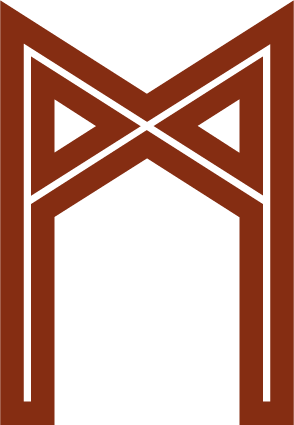
Mannaz (Germanic Studies)
Mannaz is used in all matters of the mind, both in strengthening intelligence and memory and in awakening and guiding the force of psychic abilities. This rune makes you more aware of the hallowed inheritance you share with the rest of the human race.
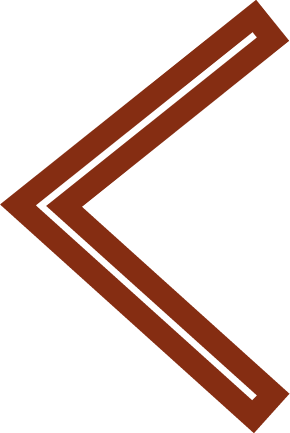
Kenaz (Craft)
Kenaz governs the primal craft of the smith and all works of knowledge crafted into action. Its work is that of cleansing followed by transformation. . . . It is used for all acts of artistic shaping, in which the vision, or fire, must break down the raw gold of the earthly material and reshape it into the vision-image set forth in earthly being.
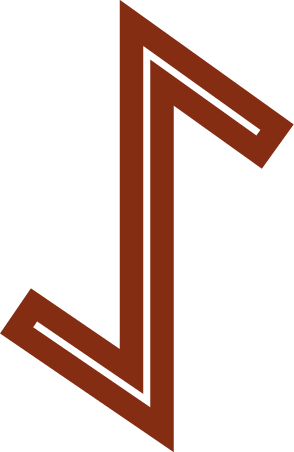
Eihwaz (Words)
As the turning point of the runic circle, eihwaz holds the entire futhark hidden within itself. A “rough tree” on the outside, and perhaps the hardest of all the runes to fully understand, eihwaz is the “keeper of the fire”: the hidden, but all-holding might of runic wisdom.
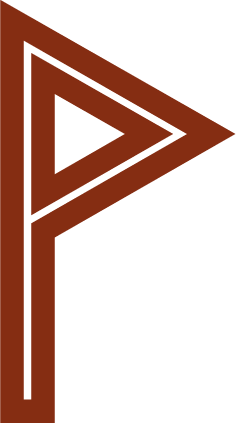
Wunjo (SMU)
The rune wunjo, “joy,” rules the virtue of cheerfulness, which is as necessary to the Teutonic hero as strength or generosity. . . . Wunjo is the rune of fellowship and the bindings of kin.
Rune descriptions excerpted from Stephan’s Teutonic Magic.